A Nassau County health report built on input from more than 5,000 residents names youth mental health, transportation barriers and gaps in preventive care as the county's most pressing health challenges through 2030.
Cara Gluck, health administrator for the Florida Department of Health in Nassau County, presented key findings from the 2025–2030 Community Health Assessment to the Nassau County Board of County Commissioners on Feb. 23, according to meeting minutes. The assessment drew on surveys, interviews and focus groups conducted across the county.
The three priority areas Gluck identified: transportation and infrastructure, preventive services and mental health services.
What the numbers show
The assessment found that emergency room visits for behavioral health in Nassau County run at 85.1 per 10,000 residents, above the Florida average of 74.3. Wait times for behavioral health appointments stretch six to 12 weeks, according to the report. Nassau County has no in-county psychiatric hospital, and many youth are referred to out-of-county facilities.
The report also found that 49% of surveyed residents cited transportation as a top barrier to care. In western Nassau, residents reported 30- to 45-minute travel times to the nearest providers. About 6.8% of households have no vehicle, and the county lacks a full-service public transit system.
On preventive care, only 67.1% of pregnancies in the county had early prenatal care, short of the national Healthy People 2030 goal of 80.5%. The report noted that many families are unaware of available screenings or free programs.
Schools in the picture
The assessment listed the Nassau County School District as a partner in the next phase of the work: a Community Health Improvement Plan, or CHIP. That plan will bring together public health agencies, schools, hospitals, faith-based groups and local leaders to address the priorities the assessment identified, according to the report.
Residents surveyed for the assessment expressed interest in school-based care, mobile health units and after-hours appointments. One unidentified resident quoted in the report said, "We need mobile care. School clinics. Places we can actually get to."
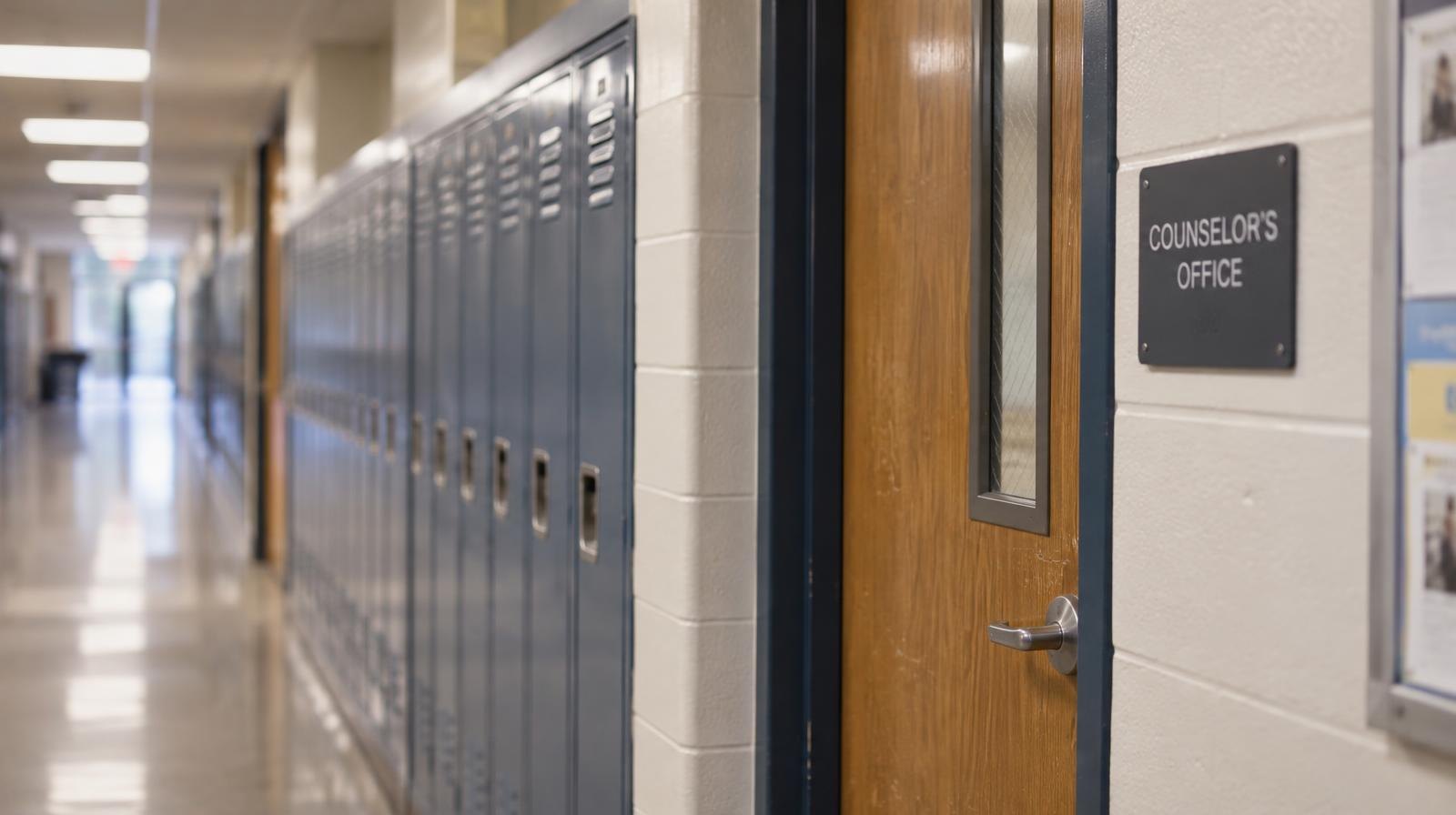
Youth behavioral health concerns are rising in both school and ER settings, the assessment stated. Partners interviewed for the report cited youth suicide ideation, caregiver burnout and trauma across all age groups.
Families already stretched thin
Forty-one percent of Nassau County households qualify as ALICE — Asset Limited, Income Constrained, Employed — according to the assessment. Sixty-two percent of survey respondents said cost was a barrier to care, even with insurance. Preschool enrollment for children ages 3 to 4 stood at 39.2%, below the Florida average of 46.1%.
Separately, the Nassau County School District announced in October that its Food and Nutrition Services department, the McKinney-Vento program and elementary school resource officers are working together to deliver food boxes to students and families experiencing unstable housing. Food and Nutrition Services Director Trevor Kennedy provided pallets of food boxes, each containing enough food for up to seven days, according to a district announcement. McKinney-Vento Liaison Mollie Cressey coordinated distribution.
Some families could not pick up the boxes because they lacked transportation. Under Chief D.J. Valentine, school resource officers began delivering boxes directly to families after school hours.
The health assessment's next step is the CHIP, which will set measurable health objectives and coordinated strategies. No timeline for the plan's completion appears in the report.