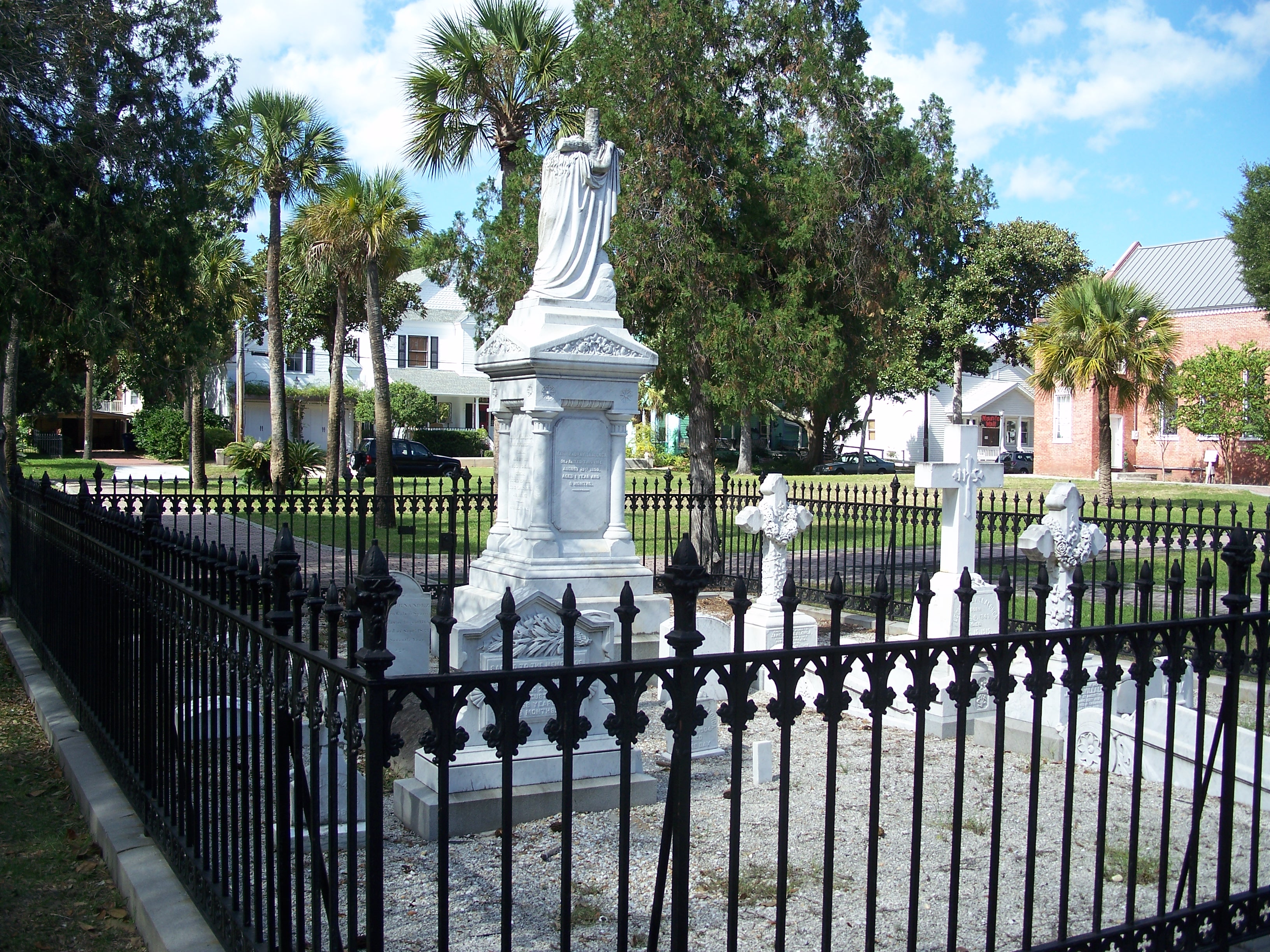
Bosque Bello Cemetery, where more than two centuries of Amelia Island history lie buried, has been added to the National Register of Historic Places.
The National Park Service officially listed the Fernandina Beach cemetery on Tuesday, Nov. 3, the city announced. The listing appeared in the agency's Friday, Nov. 6, publication of newly recognized historic properties, according to the Fernandina Observer.
Deputy City Manager Jeremiah Glisson confirmed the listing in an email announcement, calling it "a tremendous milestone for our community."
The designation caps a four-year effort. The Amelia Island Fernandina Restoration Foundation adopted Bosque Bello as a priority preservation project in 2022. The foundation partnered with the city in 2023 to pursue grant funding through the Florida Department of State's Division of Historical Resources. Consulting firm Terracon conducted historical research and prepared the nomination documentation.
The Florida National Register Review Board forwarded the nomination to the National Park Service in August, as the Observer reported at the time. City Planning and Conservation Department staff members Mia Sadler and Mackennah Tarmey traveled to Tallahassee to speak in support of the application.
What the listing means
The National Register is the federal government's official list of properties considered significant in American history, architecture, archaeology, engineering or culture. The designation can strengthen applications for historic preservation grants and provide a formal historical record to guide future work, according to the city.
It does not automatically provide restoration funding or prevent the city from maintaining and operating the cemetery. Federal projects or federally funded activities affecting the property can be subject to historic preservation review.
The city said preservation efforts will continue, including support for a proposed multimedia walking tour.
A burial ground older than the city itself
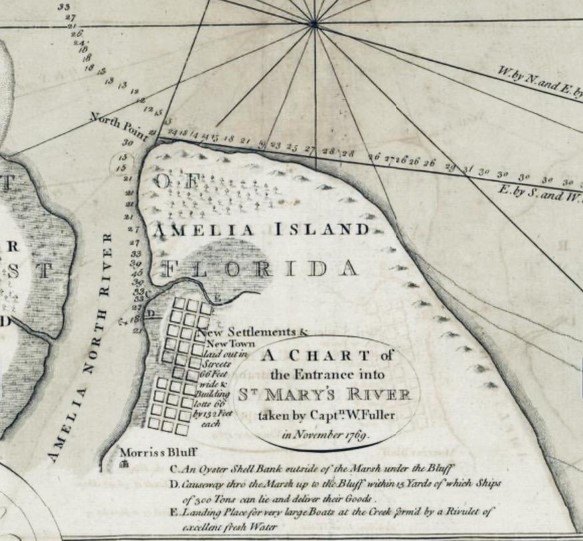
Bosque Bello, Spanish for "Beautiful Woods," is traditionally dated to 1798, when Amelia Island was under Spanish rule. The cemetery property was originally part of a Spanish land grant held by Domingo Fernandez, who donated land for burial purposes in the early 1800s, according to the State Archives of Florida.
The oldest identifiable burial dates to 1813, more than four decades before the establishment of modern Fernandina. That grave belongs to Peter Bouissou de Nicar, identified in genealogical records as a French soldier. The city's 2015 cemetery master plan also describes him as a Black mercenary, Freemason and army captain.
The cemetery contains thousands of burials dating from the early 19th century to the present. It remains Fernandina Beach's only municipal cemetery.
Soldiers, sisters and shrimping pioneers
According to the city's 2015 cemetery master plan, 37 Union veterans, including 33 Black soldiers, and 11 Confederate veterans are buried at Bosque Bello. Eleven Sisters of St. Joseph rest there as well. The Catholic sisters established a school for formerly enslaved people after the Civil War and cared for residents during the yellow fever epidemic of 1877.
Thomas and Sarah Delany, who came to Amelia Island from Georgia after emancipation, are buried at Bosque Bello. Their son, Henry Beard Delany, became an Episcopal bishop. Members of the Tringali family, prominent in Fernandina's shrimping industry, are also buried there.
Originally integrated, the cemetery was divided into racially segregated sections during the early 20th century. Historical records cited in the National Register nomination describe a 1945 land donation by J.G. Cooper and Sadie Cooper, followed by an expansion in 1947 that established separate burial areas for Black and white residents.
The nomination also documents longstanding differences in infrastructure and maintenance between portions of the historically Black sections and other areas of the cemetery, reflecting the effects of segregation and unequal public investment.
Bosque Bello is open daily from 7:30 a.m. until dusk. Self-guided walking tour materials are available at the Amelia Island Visitors Center and online.