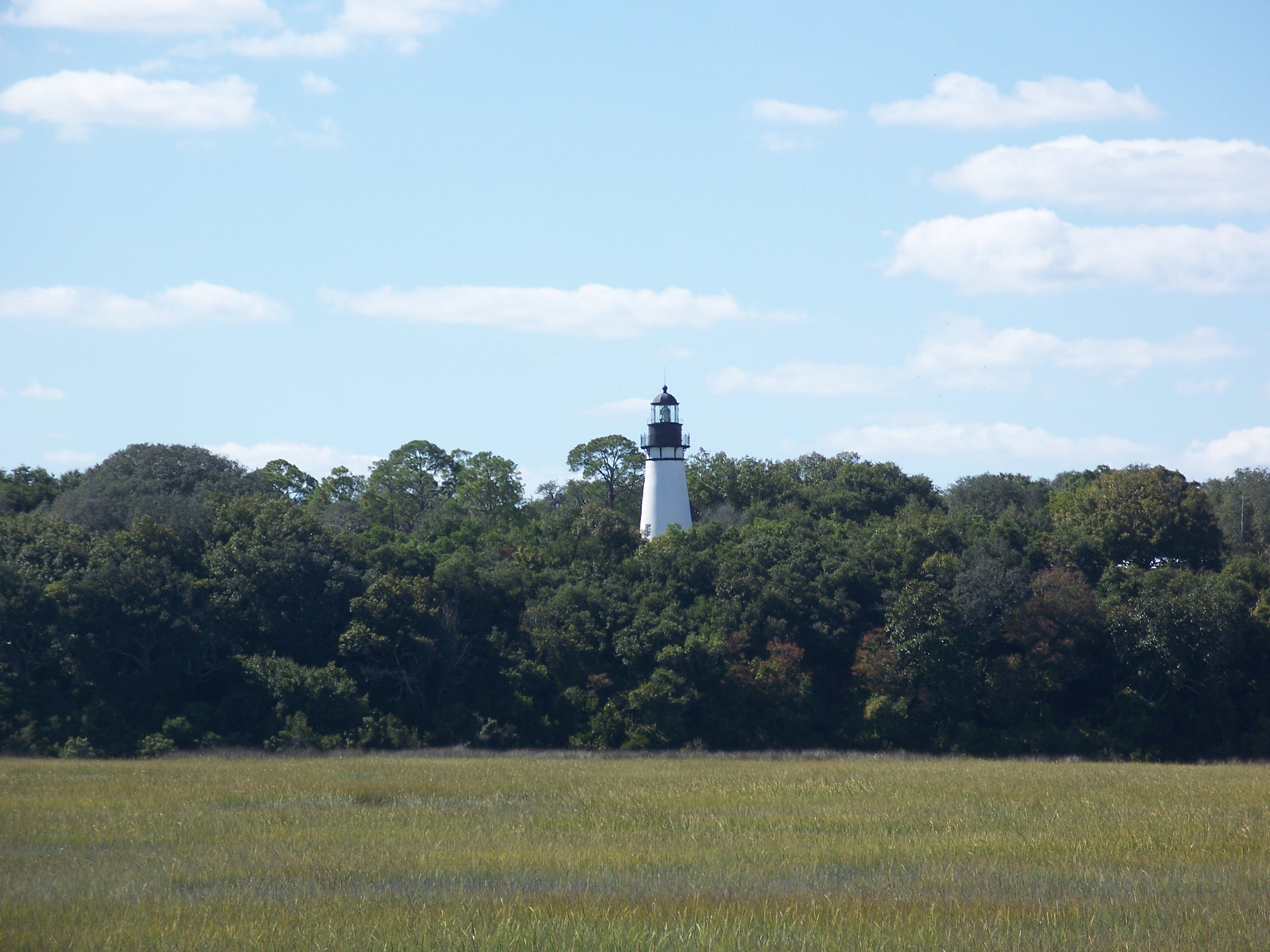
Nearly three out of four Fernandina Beach residents surveyed say overdevelopment is the greatest challenge facing their city.
Seventy-three percent of about 150 respondents identified overdevelopment as the top threat to community character, according to survey results presented to the Fernandina Beach City Commission on Aug. 20. Rising housing costs trailed at 13%. Traffic congestion registered just 6%.
The data came from a six-month planning effort tied to the city's Evaluation and Appraisal Review (EAR) of its Comprehensive Plan, the Fernandina Observer reported. The EAR is a state-required review that determines whether the plan needs updating to reflect changes in Florida law and local priorities. The process will shape city policy through 2050.
The planning team, which included Jennifer Bryla, community development program manager for the Northeast Florida Regional Council, collected responses at neighborhood meetings and community events including the beach opening, the Publix opening and the Sea Turtle Festival.
Neighborhood character, environment top priorities
Preservation of community character topped the list of planning themes, chosen by 42% of respondents. Environmental sustainability and resiliency followed at 21%. Livability and future-ready infrastructure each drew 17%. Mobility and transportation came in last at 4%.
Half of respondents said they want their neighborhoods to stay low-density and suburban, with single-family homes, larger yards and quiet streets. Another 35% favored mixed-use neighborhoods combining housing, small businesses, restaurants and services within walking distance.
On the environment, 39% selected forests and the city's tree canopy as the resource most in need of protection. Beaches ranked second at 32%, followed by wetlands and floodplains at 23%.
Sidewalks, power-line burial concerns
Distance was identified as the biggest barrier to replacing car trips with walking or bicycling. Lack of sidewalks and bicycle lanes followed closely.
"We heard a lot of people saying safe routes to school," Bryla said at the Aug. 20 meeting. "You can go a block and it takes you five minutes on a golf cart, but it may take you 20 minutes in a car based on the traffic and the transportation circulation."
For resiliency spending, 28% of respondents favored hardening utilities by burying power lines and strengthening substations. Tree canopy expansion and heat mitigation received 24%, while stormwater and flood-control improvements drew 20%.
City eyes Comprehensive Plan changes, public hearings ahead
The planning team said the city could address overdevelopment concerns through new Comprehensive Plan policies followed by changes to its Land Development Code. Proposed amendments are expected to cover neighborhood character, resiliency, affordable housing, water-supply planning, infrastructure and future land use.
Those policies will return to the commission for public hearings, transmittal to the state and final adoption. No dates for those hearings have been announced.
.jpg)